
A Guide to Handling Peak Shipping Season
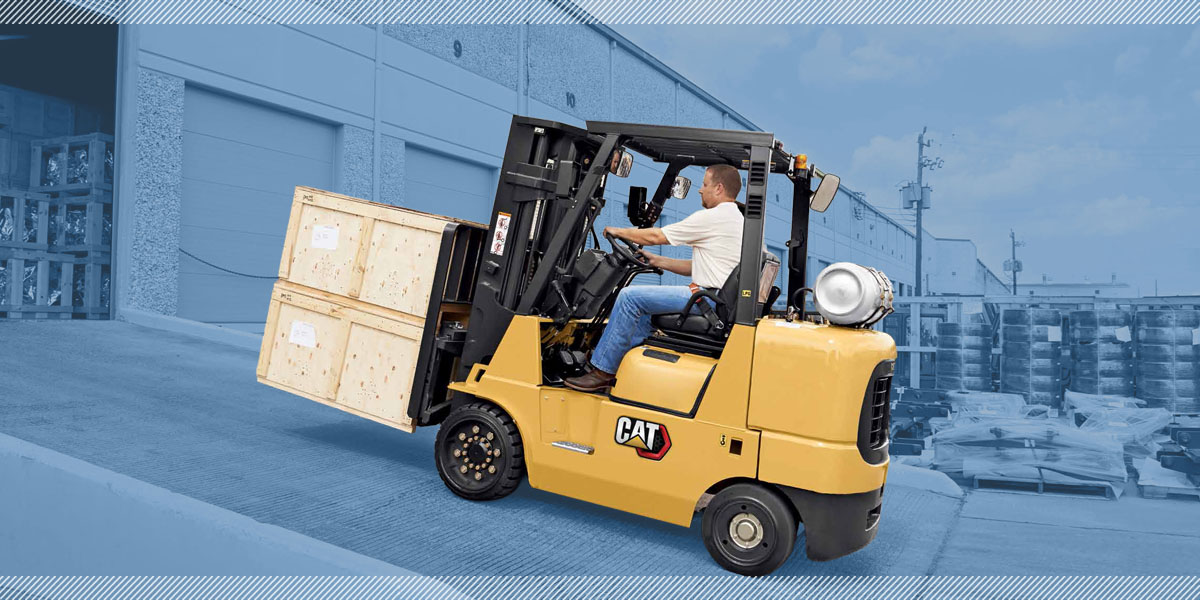
Peak shipping season extends far beyond the winter holidays. Summer vacations drive spikes in tourism-related products, while the back-to-school season creates a significant surge in school supplies and materials.
Each peak period tests your warehouse’s limits differently, but the challenge remains the same — your operation must scale to meet sudden demand without compromising safety, speed or accuracy. Learn how to manage increased shipping demands by optimizing your physical infrastructure, integrating scalable technology and maintaining fleet flexibility when volumes spike.
Optimize Your Warehouse Layout
A prepared warehouse starts with the physical layout. Before adding new technology or equipment, you must first optimize your existing space. To handle peak shipping season effectively, you need to eliminate bottlenecks and maximize every square foot of storage capacity you already have.
Auditing Your Current Layout for Peak-Season Bottlenecks
To prevent peak-season disruptions, systematically audit your warehouse layout to identify and address choke points. This process helps you understand where congestion occurs before it becomes a crisis during high-volume periods. Here’s how to assess your warehouse:
- Review your current warehouse layout and processes: Walk through your entire facility and document how materials flow from receiving to shipping. Note where workers pause, backtrack or wait for equipment.
- Analyze historical data: Data from previous peak seasons can drive optimization. Order volumes, processing times and error rates reveal patterns that indicate where your system struggled most.
- Map your peak-season workflow: Create a visual representation of how goods will move during maximum-capacity operations. This visual helps identify convergence points where multiple pathways intersect or where limited equipment creates queues.
- Identify high-traffic areas and congestion points: Forklifts, workers and inventory often compete for the same space. These zones become major slowdowns when volume increases.
- Simulate peak-season scenarios: Testing operations at projected peak volumes shows how your current layout performs under pressure and where improvements make the biggest impact.
Implementing Strategic Racking Solutions for Maximum Density
Optimized racking can help you navigate space constraints during peak-season demand. Modern high-density racking systems can dramatically increase storage capacity within the same footprint, which is essential for holding peak-season inventory without expanding your facility.
A good racking system delivers on multiple fronts:
- Optimized for operations and inventory: Efficient picking, packing and restocking workflows depend on the right configuration. Advanced racking systems can also integrate automation, allowing robotic systems to work alongside human teams.
- Safe: Quality racking meets rigorous standards, including the Occupational Safety and Health Administration (OSHA) Standard 1910.176(b). This compliance ensures that stored materials do not create safety hazards and that items remain stable and secure against sliding or collapse.
- Space-efficient: Vertical storage solutions and narrow-aisle configurations maximize cubic footage rather than just floor space. This approach can double or triple your capacity.
- Flexible and scalable: Modular systems adapt as your needs change. You can reconfigure layouts between peak seasons or as product mixes evolve.
Integrate Technology for Scalability and Insight
Technology is essential to increase warehouse efficiency during peak season and make smarter decisions under pressure. Rather than relying on guesswork, integrated systems provide the data and automation you need to handle surges confidently.
Automating Repetitive, High-Volume Tasks
Supply chains use deep learning and machine learning for many tasks, such as choosing suppliers, managing production and inventory, handling transportation and predicting demand. Automation isn’t about replacing people but about augmenting their abilities.
Automating repetitive tasks, such as pallet wrapping and transporting goods, frees up skilled labor for more complex work like quality control and exception handling. Several types of automated and semiautomated machinery can streamline operations during peak season:
- Forklifts: Automated forklifts offer consistent throughput and 24/7 operation, which you can typically integrate with warehouse management systems (WMS) for improved inventory accuracy.
- Stackers: Automated stackers can access tight aisles where traditional forklifts can’t operate efficiently.
- Order pickers: Semiautomated order pickers improve efficiency through advanced horizontal and vertical positioning.
- Turret trucks: These trucks feature an optimized pinpoint location system, making order picking tasks faster and more accurate.
Gaining Real-Time Visibility With Fleet Management and Telemetry
During peak season, many managers describe the feeling of “flying blind” as equipment moves throughout the facility. Fleet management and telemetry systems serve as the manager’s cockpit, providing a single source of truth for equipment location, usage hours and maintenance alerts.
These systems allow you to compile and analyze extensive information from your forklift fleet. Maximize your productivity and safety while reducing material handling costs through comprehensive data analysis. You gain insight into which units are overworked, which sit idle and where reallocation could improve efficiency.
Telemetry is the continuous remote measurement and streaming of data from warehouse equipment to a central system. It combines GPS tracking with onboard sensors and cellular networks to monitor real-time equipment location, engine diagnostics, fuel use and driver behavior. This visibility helps you respond to problems immediately rather than discovering them hours later, when a missed deadline becomes inevitable.
Flex Your Fleet With Smart Equipment Strategies
Having the right tools for the job matters most when demand peaks. A static year-round fleet may not be the most cost-effective or efficient approach. Managing shipping demands requires flexibility that adapts to temporary surges without creating long-term financial commitments.
Handling Temporary Surges With Forklift Rentals
Equipment rentals offer maximum flexibility. You can scale your fleet to meet temporary demand surges without the long-term expense and maintenance of purchasing new equipment.
Renting also eliminates concerns and costs related to storing unused equipment. When peak season ends, simply return the units rather than managing idle assets for months.
Ensuring Uptime With Proactive Maintenance and Rapid Repair Services
Equipment breakdowns during peak season create costly domino effects. One disabled forklift delays an entire shipping dock, causing missed carrier pickups and cascading delays throughout your fulfillment schedule.
Think of a proactive maintenance plan as an insurance policy against these scenarios. Minor issues caught during regular inspections never become major failures, while service partners who provide rapid repairs minimize downtime when problems do occur. During peak season, every hour of equipment downtime translates directly to lost revenue and customer satisfaction. The right service relationship ensures you always have emergency solutions ready when time matters most.

Conquer Peak Season With Holt of California
Peak-season preparation requires a partner who understands the complete picture. Holt of California delivers integrated solutions spanning warehouse infrastructure, automation technology, fleet equipment and emergency support. Our team works with you to design strategies that match your specific operational challenges, whether you need strategic racking systems, flexible rental options for temporary capacity or automated material handling equipment.
When equipment issues threaten your timeline, our 24-hour emergency service across multiple California facilities ensures rapid response. We stand behind every solution we provide because your success during peak season directly reflects our commitment to superior customer service.
Ready to build your holiday shipping strategy? Contact our team today to discuss your warehouse needs.
